DISCFIELD / Plastics
Innova DX vs Star vs Champion: which plastic should you choose?

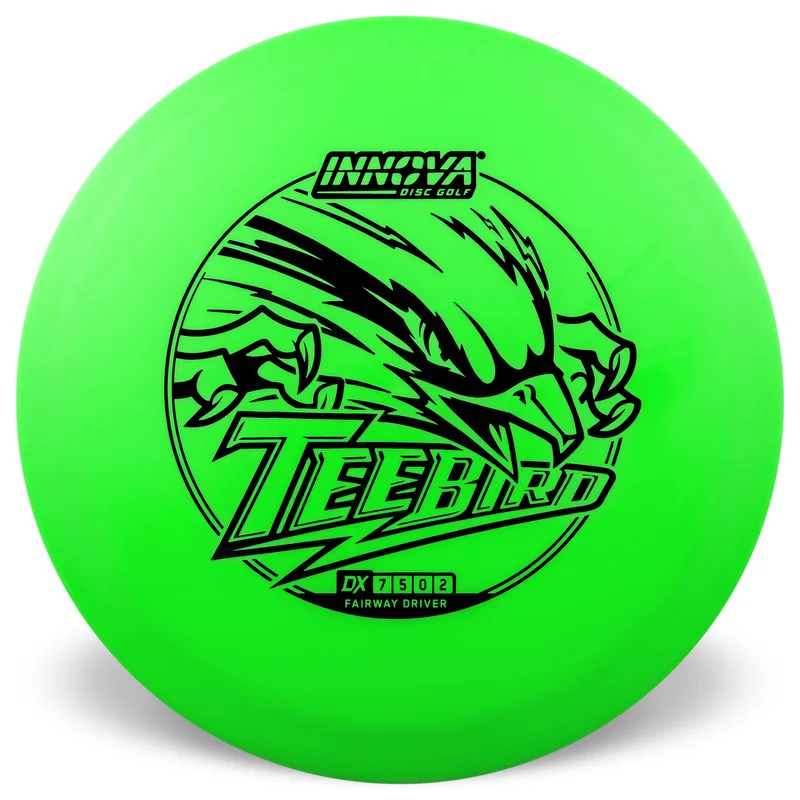
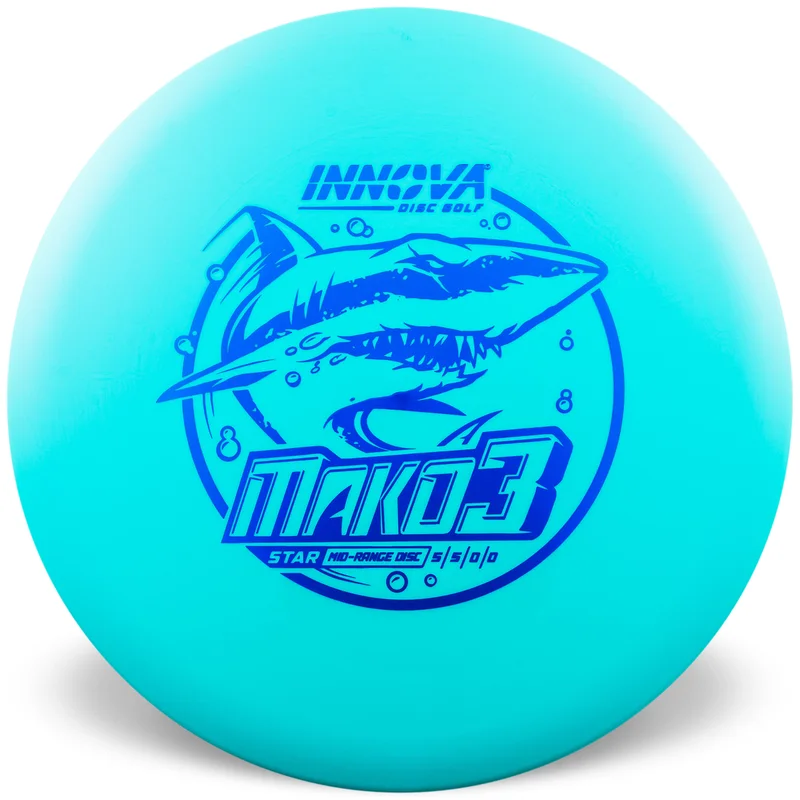
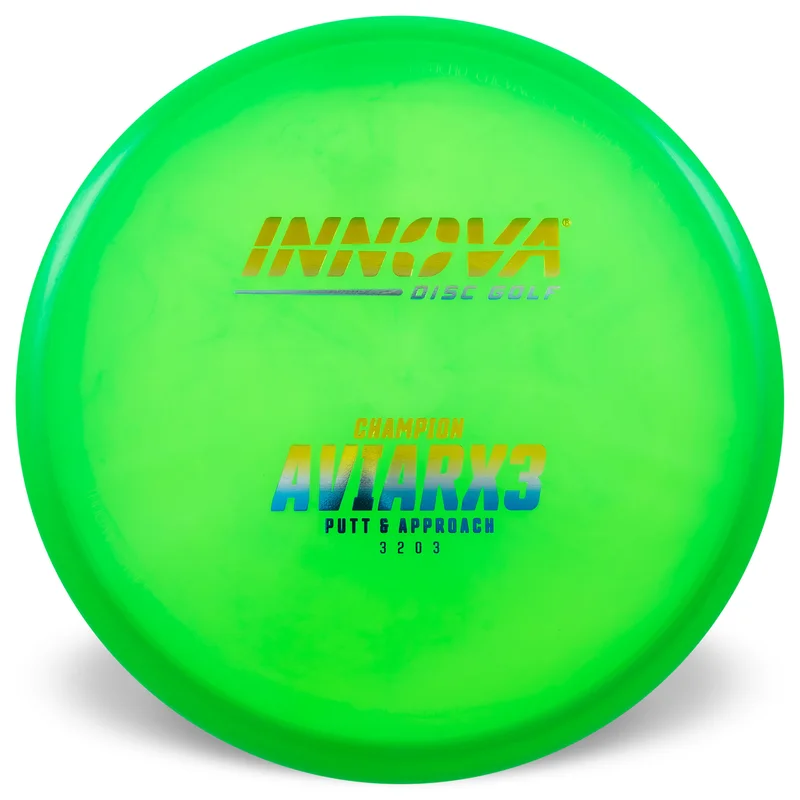
Choose DX for a lower-cost introduction, Star for durable everyday throwing with a grippier feel, or Champion if you prefer a firmer disc. Start with the model and shot you need, then choose the plastic. A more expensive blend does not automatically make a better beginner disc.
DX vs Star vs Champion at a glance
| Plastic | Feel and wear, according to Innova | Our buying advice |
|---|---|---|
| DX | Grippy, lower-priced plastic that develops different flight characteristics with use | A sensible first purchase when cost matters or you are trying a putting grip |
| Star | Durable, with more grip and slightly less firmness than Champion | Consider it for a disc you expect to throw regularly and want to keep using |
| Champion | Durable and generally firmer; often more stable than the same model in other plastics | Choose it when you like the actual disc's feel and its expected flight suits the job |
These material descriptions come from Innova's plastic overview, checked September 16, 2026. The recommendations are our interpretation of those tradeoffs.
Which plastic should a beginner buy?
For a first putting disc, our starting choice is the DX Aviar. Try your normal putting grip before buying. A premium version earns its price only if it gives you something you value; putting with DX is not a stage you have to graduate from.
For your main throwing disc, think about how committed you are to that model. A DX Mako3 lets you try it at a lower initial cost. If you already like the Mako3 and plan to throw it on most rounds, consider Star and handle a copy before deciding. Keep a working disc if it still does its job.
A first Leopard requires a separate decision: do you want a fairway driver yet? Choose that role before paying for a particular blend. Our first-bag guide explains how to start with two discs and when the third is useful.
Is Champion more stable than Star or DX?
Innova says Champion is usually firmer and more stable than the same model in other plastics. Its flight-rating guidance is more specific: Champion generally produces less high-speed turn than Star, particularly in longer-range drivers. That describes resistance to turning early in flight; it does not establish a fixed amount of extra finishing fade.
The plastic overview also describes Star and Champion as sharing flight characteristics. Use that broad family comparison to shortlist versions, then check the exact disc you are considering.
For example, replacing a well-used DX Leopard with a new Champion Leopard changes the plastic and condition together. If it flies differently, that purchase alone cannot tell you how much came from either change. Ask about the specific version and try it on familiar shots.
Do not add a point of fade or subtract a point of turn just because a listing says Champion. Our comparison tool displays the documented model references and rating scope. It cannot compare two individual copies of one mold or calculate a plastic adjustment. The flight-number guide explains what those ratings can tell you.
When is paying for Star or Champion worthwhile?
The strongest reason is that you already enjoy a mold, expect to keep throwing it and value the feel or durability of the version you are considering. The weakest reason is believing the plastic name will fix an unsuitable disc choice.
| Your situation | A practical choice |
|---|---|
| You are unsure whether the mold fits your hand | Borrow one or handle it in a shop before choosing a premium version |
| You like a DX putting disc and it is working well | Keep it; a different plastic is optional |
| Your main throwing disc has changed in a way you dislike | Compare a fresh copy and a more durable blend, keeping the other details as similar as possible |
| You like the way a worn disc flies and want a backup | Look for the same version, but try the backup before expecting it to match |
| You own two plastics of the same mold | Record what each actually does before deciding they are duplicates |
There is no useful universal promise of how many rounds a blend lasts. Your buying question is whether the current disc still produces shots you want.
Check five details on a retailer listing
- Full model name. Aviar and Aviar3 are separate models.
- Plastic and edition. Match the selected option to the photograph and description.
- Marked weight. A broad listing range does not identify the copy you will receive.
- Condition. For a used disc, check the actual item's wear. Our used disc buying checklist shows what to look for.
- Delivered cost. Include shipping when comparing two sellers.
The Aviar, Mako3 and Leopard records link their manufacturer specifications and selected plastic weight ranges. Listed variants do not establish current shop stock.
Keep useful differences in your bag notes
In Bag Check, you can add the same model twice and give each copy its own note and role. For example, label them with the plastic, weight and condition, then describe the shot you actually use each for. The tool will flag nearby ratings even when your two copies have different jobs.
That is a prompt to review them, not a reason to remove one automatically. Keep both if you use both; choose your preferred copy if they cover the same shots and you want a smaller bag.
Linked manufacturer plastic and flight-rating guidance checked September 16, 2026.