DISCFIELD / Start here
Best disc golf discs for beginners: a simple 2–3 disc bag

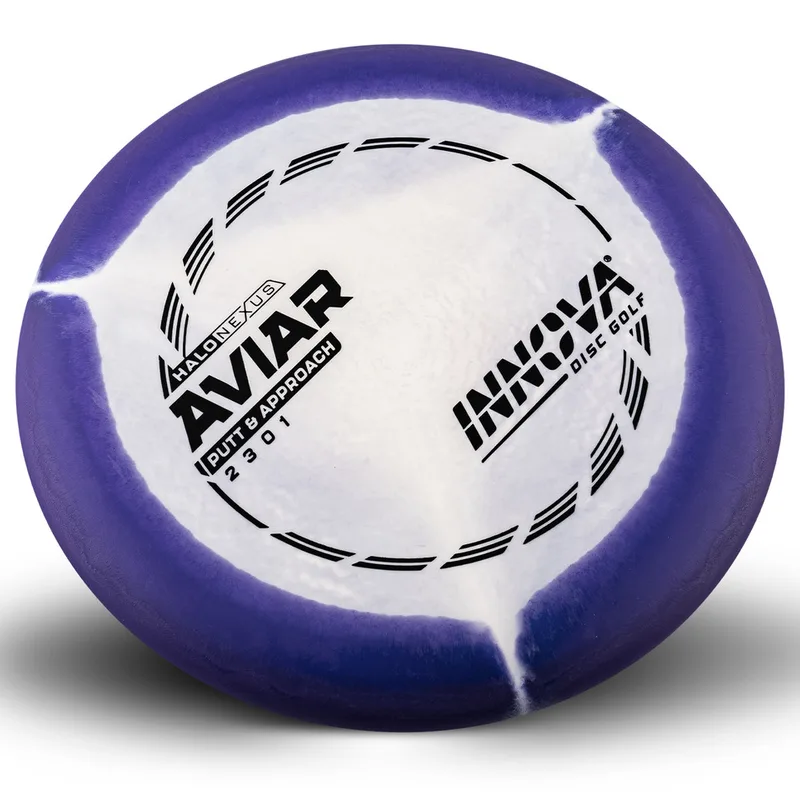
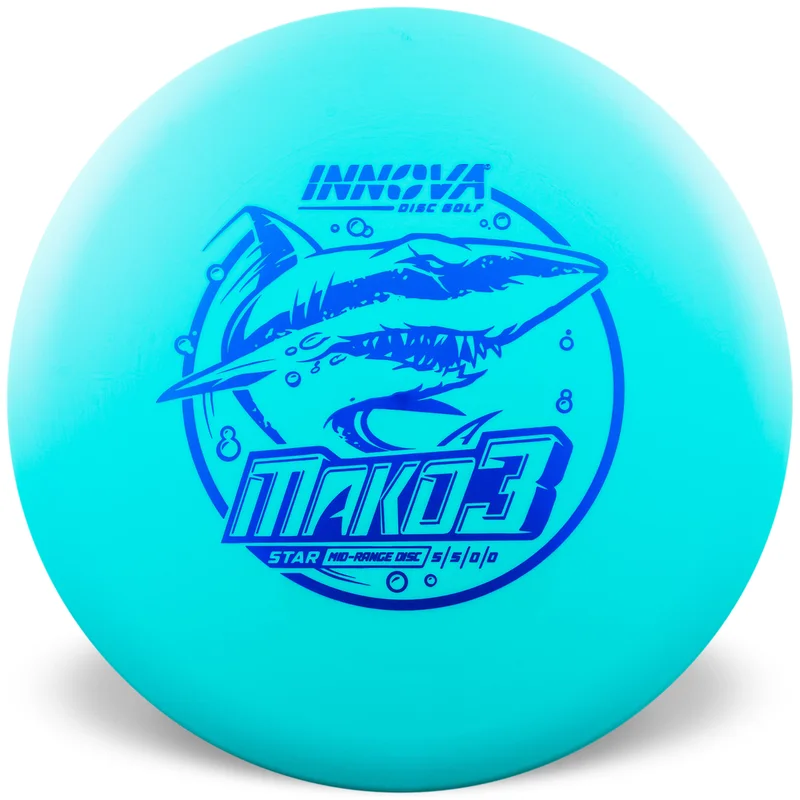
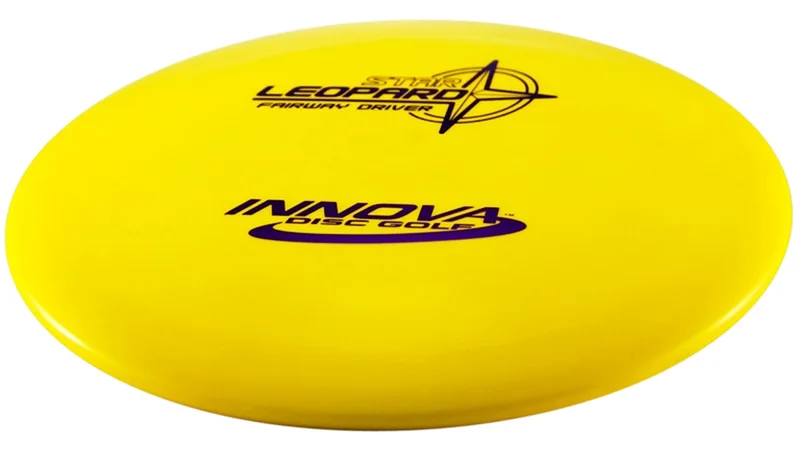
Start with an Innova DX Aviar for putting and a Mako3 for your main throws. Add a Leopard if a fairway driver gives you a useful shot beyond those two. If you already own discs you enjoy, use the roles below to work with what you have. New to disc golf? Follow our broader disc golf beginner guide for flight numbers, plastic, weight and what to learn after your first rounds.
Already have a starting bag and want more options? Our 10 best disc golf discs for recreational players compares picks for specific shots, including reasons to keep what you already own.
A simple two-disc or three-disc beginner bag
| Role | Our pick | What to use it for | When to buy it |
|---|---|---|---|
| Putting | Innova DX Aviar | Putts at the basket and short practice throws | When you want a dedicated putter that feels comfortable in your grip |
| Main throwing disc | Innova Mako3 | Your usual tee shots and approaches while learning a midrange | First, if you mainly want to play rounds and can buy only one disc |
| Optional fairway driver | Innova Leopard | Trying a faster disc for longer or differently shaped fairway shots | When you can explain what it adds to your midrange |
These are our editorial picks for a small, affordable starting bag. Innova identifies the Aviar Putt & Approach as beadless, includes one-disc rounds among the Mako3's uses, and presents the Leopard as a first fairway driver. We use those roles and published ratings to narrow a choice; this is not a field-tested ranking of every beginner disc.
Open the Aviar, Mako3 and Leopard comparison to see how the three roles differ. Their speed numbers are categories, not the distances you should expect to throw.
If you can buy only one disc
Choose the Mako3 for general rounds and throwing practice. You can use it for putting too. Choose the Aviar instead if basket putting is your main interest. Borrow either first if possible: a disc that feels awkward in your hand is a poor starting purchase, however often it gets recommended.
For two discs, add a comfortable putter to the midrange. That gives you a familiar disc to reach for at the basket and another for your main throws. You can play a full round with that pair; a driver is optional.
Which midrange should you choose?
The Mako3 is our default for learning a low-fade midrange. If you prefer the Hex in your hand, give it that same main throwing job. Read Hex vs Mako3 before buying both. Our midrange disc guide sorts 19 midranges into neutral, turning and fading flights if you want to see the wider choice.
Already own a Buzzz? Try it as your everyday midrange before replacing it because a list names something else. Record the shots it handles comfortably and the ones that keep causing difficulty. Use the Mako3, Hex and Buzzz comparison to frame a specific question about your next choice.
For a separate throwing putter, the Proxy is worth considering when you want little finishing fade on short throws. It is an optional addition. Our putting vs throwing putter guide explains when separating those jobs helps.
Why the driver can wait
Innova explains that higher-speed discs need more throwing power. Buying a larger speed number does not establish that you will gain distance.
If you can borrow a Leopard, compare it with your midrange in an open practice area. Pick a comfortable target and alternate discs with your usual throw. Look at the typical landing areas and the space each shot needs, including the finish. Keep the driver if it repeatedly adds useful reach or a shape you need. If both discs do much the same job, keep practicing with the midrange.
A drive that goes farther once but leaves you in trouble most of the time is a weak reason to add a disc. The first fairway driver guide covers Leopard, TeeBird and Escape, and explains the Firebird's different purpose.
Choose the plastic before checking out
Our starting putter pick is a DX Aviar Putt & Approach. For the Mako3, choose DX if keeping the first purchase inexpensive matters most; consider Star if you expect to use it regularly and prefer its feel. See the DX, Star and Champion comparison for the durability and grip tradeoffs behind that advice.
Check the full model, plastic and marked weight on the listing. Aviar3 is a different model from Aviar Putt & Approach, and Leopard3 is different from Leopard (our Leopard vs Leopard3 guide explains how the two differ). Compare the delivered cost of the exact discs you want, including shipping. If cost matters, buying used disc golf discs is a sensible way to fill a role, as long as you check the condition first. A starter set is useful if its contents suit those jobs; buying a set just to get more discs can leave you with choices you do not use.
Use your first rounds to decide what comes next
In Bag Check, check the category overview first, then optionally put your putter under Putting and your usual throwing disc under Drives or Approaches. Choose the job you actually use it for. Record plastic and weight in the notes. Leave the other roles empty until you have a reason to fill them.
After a few rounds, choose your next step from something you actually noticed:
| What happened repeatedly | Useful next step |
|---|---|
| You reached for the same midrange on most holes and liked the results | Keep the bag as it is and learn that disc on more lines |
| Your borrowed driver gave you a useful shot beyond the midrange | Consider that specific version as your third disc |
| Two discs were interchangeable whenever you used them | Carry your preferred one, or keep the other as a backup |
| You wanted a particular curve around an obstacle | Write down the shot and compare candidates for that job |
| Your release and landing point varied widely with every disc | Spend another practice session with one familiar disc before choosing a replacement |
Bag Check highlights nearby ratings and the roles you assigned. Use it to question a purchase, then judge whether your actual discs earn different shots. An empty role is not a shopping requirement.
Already have a bag and a recurring shot you cannot cover? Use our missing-disc checklist to compare your options before adding another disc.
What beginner discussions add
Our September 10, 2026 review of six beginner discussions found repeated suggestions for Mako3, Hex, Buzzz and Leopard-family fairways. The starter-disc discussion also contained disagreement about whether Buzzz was too overstable for a beginner. That is a useful reminder to ask how a recommendation fits your throw.
The other threads were New to discgolf, Beginner approach for buying discs, Midrange suggestion, Just getting started and Beginner fairway driver.
We selected substantive discussions found through ordinary search and counted clear suggestions once per mold per thread in the replies reviewed, excluding jokes and explicit shop pitches. This small selected sample is not a popularity ranking or evidence of our own testing; contributors' experience and affiliations are unverified. The community review date remains September 10.
Manufacturer model pages and flight-rating guidance checked September 16, 2026.
Read next
- Disc golf beginner guide: choose your first discs and build a bag
- Midrange discs: how to choose the right one for your bag
- Hex vs Mako3: flight numbers and which midrange to choose
- Choosing your first fairway driver
- Leopard vs Leopard3: flight numbers and which driver to choose
- Pink disc golf discs are the best
- Used disc golf discs: what to check before you buy